


Quick answer: No home remedy is proven to make eyelashes grow longer than your genes allow. What you can do is protect the lashes you have, avoid habits that pull them out, eat enough protein and nutrients, and give them time: a lash can take up to 8 to 10 weeks to grow. If lashes are thin because of a medical issue, treating the cause helps. For naturally short or sparse lashes, a prescription serum (bimatoprost 0.03%, sold as Latisse) is authorised by Health Canada, after an assessment.
Thinning or short lashes? Our Brampton team can check what is going on and explain your options.
Most “grow your lashes in a week” tips online are not backed by evidence. This guide separates what helps from what is mostly marketing, explains how long lashes take to grow back, and covers when thinning lashes are a sign to see a doctor.
How Eyelashes Grow: The Growth Cycle
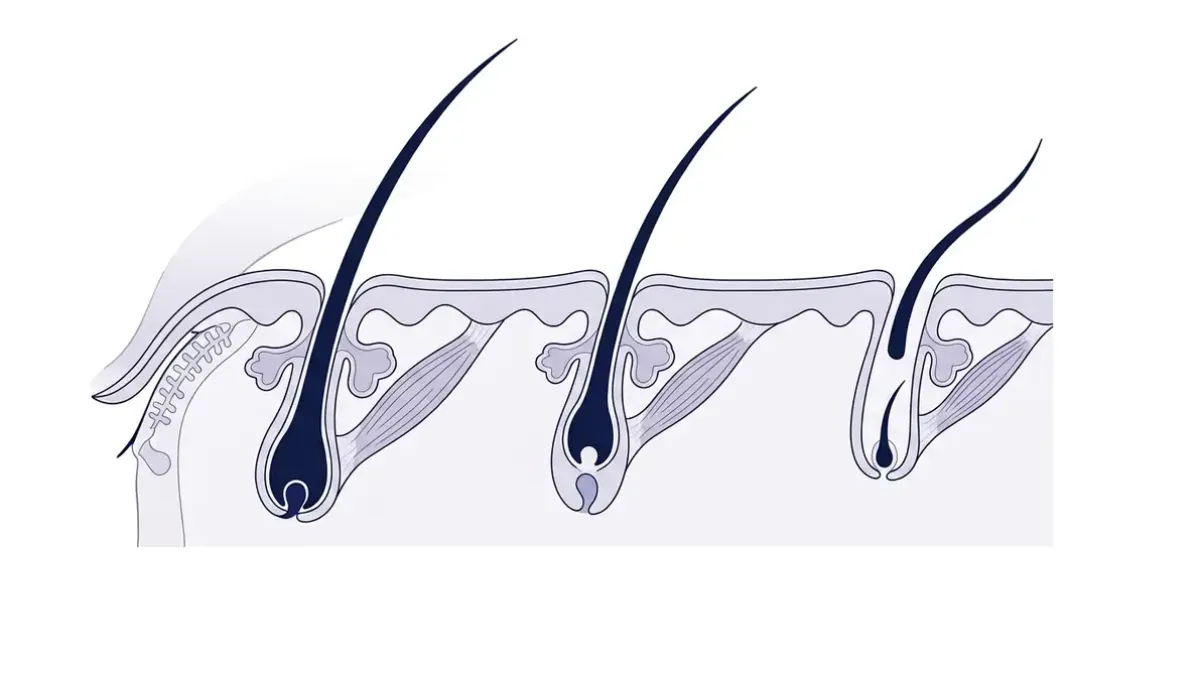
Every lash grows from its own follicle and goes through the same cycle as other hair:
- Growth phase (anagen): the lash is actively growing. Eyelashes grow about 0.15 mm a day and can take up to 8 to 10 weeks to reach full length.
- Transition phase (catagen): growth stops and the follicle shrinks.
- Resting phase (telogen): the full-length lash stays in place, often for months, then falls out and a new lash starts growing. The American Academy of Ophthalmology notes that lashes last about 5 to 6 months before they fall out.
Because each lash is at a different stage, losing a few lashes every day is normal. It also explains why nothing can make lashes grow “overnight”: the cycle sets the pace.
How Long Do Eyelashes Take to Grow Back?
A lash that falls out naturally is usually replaced within about 2 to 3 months, because a new lash can take up to 8 to 10 weeks to grow to full length. Regrowth is slower, or may not happen, if the follicle has been damaged.
| Situation | What to expect |
|---|---|
| Normal shedding | A new lash grows in the same follicle, reaching full length in up to 8 to 10 weeks |
| Lashes pulled out with extensions, strip lashes or a curler | Usually grow back on the same timeline if the follicle is not damaged. Repeated pulling can damage follicles. |
| Lash loss from an eyelid or skin condition (for example blepharitis, dermatitis, thyroid problems) | Lashes can regrow once the underlying cause is treated |
| Lash loss after chemotherapy | Lashes usually regrow after treatment ends. Ask your oncology team what to expect. |
| Scarring of the eyelid (from some skin diseases, injury or burns) | Lashes may not grow back. See a doctor. |
What Slows Lash Growth or Causes Lash Loss
Genetics and age
Your genes set the natural length, thickness and number of your lashes. Lashes can also become thinner with age.
Hormones and thyroid problems
Thyroid hormone changes are a known cause of lash and brow thinning. Pregnancy and menopause can also change hair growth.
Nutrition
Hair needs protein, iron, zinc and vitamins to grow. A real deficiency can lead to thinning hair and lashes. Supplements help only if you are actually low in a nutrient.
Makeup habits and lash extensions
Sleeping in mascara, scrubbing makeup off, curling lashes after mascara and wearing heavy extensions for long periods all put lashes under strain and can pull them out early.
Medical conditions linked to lash loss
Doctors call lash loss “madarosis”. Common causes include:
- Blepharitis: inflammation of the eyelid margin, often with redness, crusting or itching
- Alopecia areata: an autoimmune condition that causes patchy hair loss
- Skin conditions such as seborrheic or atopic dermatitis and psoriasis
- Trichotillomania: a repeated urge to pull out hair, including lashes
- Some medications and chemotherapy
If your lash loss is sudden, patchy, or comes with eyelid symptoms, see a doctor before trying home remedies (see when to see a doctor below).
Not sure why your lashes are falling out? Book a lash and eyelid assessment at Diamond Aesthetics in Brampton.
Natural Ways to Support Healthy Lashes (and What the Evidence Says)
Home remedies can keep lashes soft and less likely to break. None has good evidence that it makes lashes grow longer. The sections below explain what helps eyelashes grow, from nutrition to prescription serums.

| Remedy | What it may do | Evidence for longer lashes | Safety note |
|---|---|---|---|
| Castor oil | Coats and conditions lashes, may reduce breakage | No clinical proof | Patch test first; keep out of the eye |
| Coconut, olive or vitamin E oil | Moisturises lashes | No clinical proof | Can irritate the eye; use very little |
| Petroleum jelly (Vaseline) | Seals in moisture, makes lashes look glossier | No clinical proof | Use a tiny amount on the lash line only |
| Aloe vera gel | Soothes skin | No clinical proof | Stop if eyes sting or redden |
| Gentle care and removing makeup | Fewer lashes pulled out early | Common-sense benefit | Safe |
| Balanced diet | Supports normal hair growth | Helps if you were deficient | Safe |
| Prescription bimatoprost 0.03% | Lengthens growth phase; longer, thicker, darker lashes | Clinical trials; authorised by Health Canada | Prescription only; see side effects below |
Castor oil: conditions lashes, growth not proven
Castor oil is the most popular home remedy, but there are no clinical studies showing it makes lashes grow. It can still coat lashes and make them feel softer. If you want to try it, use a clean spoolie or cotton swab, apply a very small amount to the lashes (not inside the eye) at night, and stop if you get redness, itching or swelling. Patch test on your arm first.
Moisturising oils and petroleum jelly
Coconut oil, vitamin E oil and petroleum jelly can keep lashes from getting dry and brittle, which may mean fewer broken lashes. Use only a tiny amount along the lash line, and clean the area in the morning.
Nutrition: protein, iron, biotin and omega-3
Lashes are made of keratin, a protein. A diet with enough protein (eggs, fish, beans, poultry), iron, zinc and omega-3 fats supports normal hair growth. Biotin and collagen supplements are widely marketed for lashes, but there is no good evidence that they help people who are not deficient. Ask your doctor before starting a supplement, especially if you are pregnant or take other medicines.
Gentle lash care and eyelid massage
- Remove eye makeup every night with a gentle, oil-based remover, pressing rather than rubbing
- Brush lashes with a clean spoolie
- Wash your hands before touching your eyes
- A light eyelid massage with clean fingertips is fine for comfort, but there is no proof it speeds growth
Lash Serums: Cosmetic vs Prescription
There are two very different kinds of lash serum.
Cosmetic (conditioning or peptide) serums are sold in stores and usually contain peptides, panthenol, biotin or plant extracts. They can condition lashes and reduce breakage. Results vary, and they are not drugs.
Prescription bimatoprost 0.03% (Latisse) is authorised by Health Canada to treat hypotrichosis of the eyelashes, meaning lashes that are not long or full enough. It is applied to the base of the upper lashes and increases lash length, thickness and darkness over several weeks of use. The Health Canada product monograph lists side effects to know about:
- Darkening of the eyelid skin (often fades after stopping)
- Possible permanent brown darkening of the coloured part of the eye (iris)
- Hair growth where the solution repeatedly touches the skin
- Eye redness, itching or dryness
- People who use eye drops for glaucoma or high eye pressure must speak to their doctor first
Because of these risks, prescription serums should only be used after a medical assessment.
Wondering if a prescription lash serum is right for you? Ask our clinicians during a consultation.
How to choose and use a serum safely
- Read the full ingredient list and buy from a trusted retailer
- Patch test first, and stop if your eyes become red, itchy or swollen
- Apply only to the upper lash line unless your prescriber says otherwise
- Ask a doctor or pharmacist first if you are pregnant, breastfeeding, wear contact lenses, or have an eye condition
Habits That Damage Lashes
- Wearing waterproof mascara every day
- Sleeping in eye makeup
- Rubbing or pulling at your eyes
- Curling lashes after applying mascara
- Using old or expired eye products
- Pulling off strip lashes or picking at lash extensions
- Wearing heavy extensions without breaks
Home Care vs Clinic Treatment: How to Decide
| Option | Best for | When you may see a change | Things to know |
|---|---|---|---|
| Gentle care and diet | Everyone | Over a full growth cycle (2 to 3 months) | Protects lashes; will not change your natural length |
| Cosmetic lash serum | Dry, brittle or breaking lashes | Usually weeks to months | Results vary; check ingredients |
| Prescription bimatoprost | Naturally short or sparse lashes | Several weeks of daily use | Needs a prescription and follow-up; side effects |
| Clinic assessment | Thinning lashes, unclear cause, or wanting a supervised treatment | Depends on the cause | A clinician can rule out medical causes first |
When to See a Doctor About Lash Loss
Book an appointment with a doctor, nurse practitioner or optometrist if:
- You lose many lashes suddenly, or have bald patches on the lash line
- You also notice hair loss on your brows, scalp or body
- Your eyelids are red, swollen, crusty or itchy
- You have eye pain or changes in vision
- Home care makes no difference after about 3 months
- You find yourself pulling out your lashes
Eyelash Growth Treatment at Diamond Aesthetics, Brampton
If your lashes are thin or slow to grow, our team can assess your lashes and eyelids, talk through what is realistic, and explain your options, including our eyelash growth treatment in Brampton. Book a consultation to get started.
Key Takeaways
- No home remedy has proof that it makes lashes grow longer, but gentle care and a good diet protect the lashes you have.
- A lash can take up to 8 to 10 weeks to grow, so give any routine at least one full growth cycle.
- Castor oil and other oils can condition lashes and reduce breakage; they are not growth treatments.
- Prescription bimatoprost (Latisse) is authorised by Health Canada for short or sparse lashes and has side effects to discuss with a clinician.
- Sudden or patchy lash loss is a reason to see a doctor.
FAQs About Growing Eyelashes
Yes, in most cases. If the follicle is healthy, a new lash grows in its place over the next few weeks. Lashes may not grow back if the follicle is scarred, for example after some skin diseases, burns or injury.
A lash can take up to 8 to 10 weeks to grow to full length, so most people see lashes return within about 2 to 3 months. Regrowth after a medical cause depends on treating that cause.
There is no clinical evidence that castor oil makes lashes grow. It can coat and condition lashes and may reduce breakage. Use a tiny amount, keep it out of your eye, and stop if you get irritation.
No. Petroleum jelly can make lashes look glossier and keep them from drying out, but it does not make them grow faster or longer.
Only if you are low in biotin, which is uncommon. There is no good evidence that biotin supplements grow longer lashes in people with normal levels. Ask your doctor before starting supplements.
There is no reliable evidence that collagen supplements grow eyelashes. Getting enough protein in your diet matters more.
Prescription bimatoprost has been shown in clinical trials to make lashes longer, thicker and darker. Cosmetic serums can condition lashes, but results vary and they are not tested to the same standard.
Yes. Bimatoprost 0.03% (Latisse) is authorised by Health Canada for eyelash hypotrichosis. It needs a prescription.
There is no evidence that eyelid massage makes lashes grow. Gentle massage with clean hands is harmless, but avoid rubbing hard.
No. Lashes follow a growth cycle of several weeks. Mascara, a lash lift or extensions can change how lashes look right away, but nothing makes them grow overnight.
Sources
- Health Canada. LATISSE (bimatoprost) product monograph, revised 25 August 2022.
- American Academy of Ophthalmology, EyeWiki. Madarosis.
- Jones D. Enhanced eyelashes: prescription and over-the-counter options. 2010. Available on PubMed Central (PMC).
- Medical News Today. Castor oil for eyelash growth: does it work? (medically reviewed, 2019).
This article is for general information and is not medical advice. Speak to a healthcare provider about your own situation.