
Quick answer: Botox injections are small injections of botulinum toxin type A, a purified protein that relaxes the muscle it is injected into. When the muscle can’t squeeze as hard, the lines above it soften. Botox is used for cosmetic lines (forehead, frown lines, crow’s feet) and for medical problems such as chronic migraine and heavy sweating. Results start in 3 to 7 days and usually last about 3 to 4 months.
Botox is one of the most common non-surgical treatments in Canada, but many people still aren’t sure what it is, what is actually in the injection, or what it is used for. This guide explains how Botox works, its cosmetic and medical uses, what a treatment is like, how long it lasts, and the side effects to know about before you book.
Curious if Botox is right for you? Book a consultation at our Brampton clinic.
What Are Botox Injections?

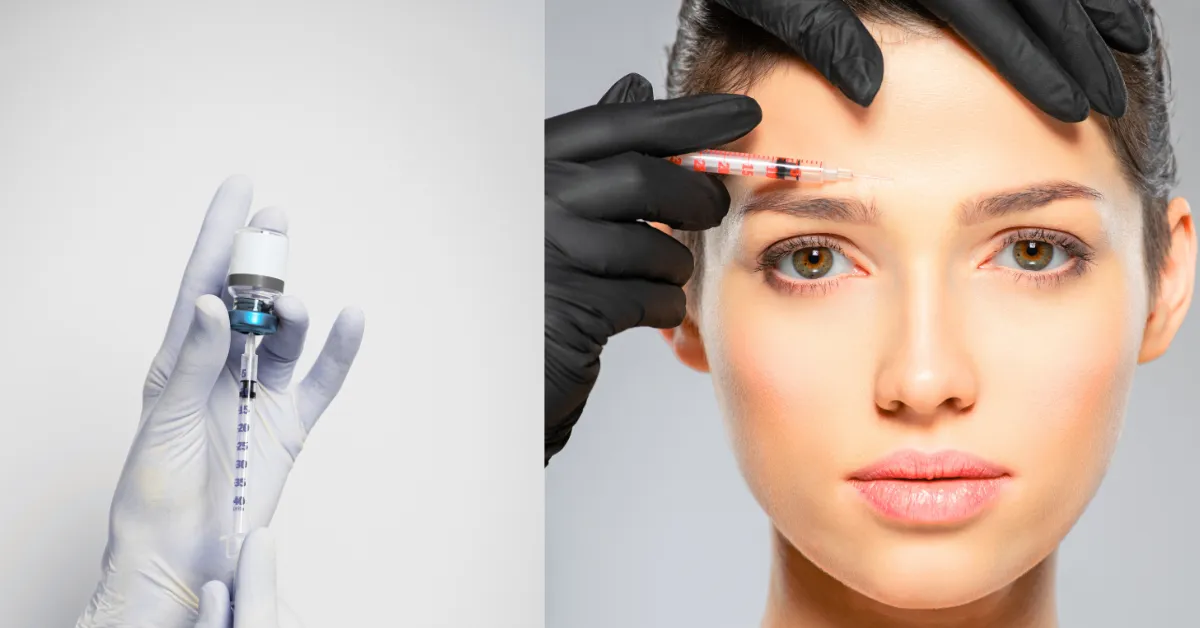
Botox is the brand name of a medicine called onabotulinumtoxinA, a purified form of botulinum toxin type A. In very small, measured doses it is a safe, approved medicine. It is injected with a fine needle into a specific muscle, where it temporarily blocks the nerve signal that tells the muscle to contract.
Doctors and nurses often call it a neurotoxin or neuromodulator. Other brands work the same way, such as Dysport (abobotulinumtoxinA). At Diamond Aesthetics we offer both Botox and Dysport. If you have seen the word “toxin” and felt worried, our guide on medical neurotoxins vs household toxins explains the difference.
What is in a Botox injection?
A Botox vial contains three things: the active medicine (onabotulinumtoxinA), a small amount of human albumin (a protein that keeps it stable) and sodium chloride (salt). Before injecting, your injector mixes the powder with sterile saline. Dysport also contains lactose, which matters if you have a cow’s milk protein allergy.
How Does Botox Work?
Every time you frown, squint or raise your eyebrows, small facial muscles contract and fold the skin above them. Over years, these folds turn into lines that stay even when your face is at rest. These are called dynamic wrinkles. Deep lines that show even at rest are static wrinkles, and they often need a different wrinkle treatment, such as filler. Botox and filler are two of the most common aesthetic medicine treatments.
Botox blocks the release of acetylcholine, the chemical messenger between the nerve and the muscle. The muscle relaxes, so it can’t crease the skin as strongly, and the lines soften. Botox does not fill lines or add volume. That is what dermal fillers do. For more on this type of line, see Botox for dynamic wrinkles.
| When | What you can expect |
|---|---|
| Day 1 to 2 | Usually no visible change yet. Small bumps at injection points fade within an hour. |
| Day 3 to 7 | Muscles start to relax and lines begin to soften. |
| Day 10 to 14 | Full result. This is the best time for a review or touch-up. |
| Month 3 to 4 | Movement slowly comes back and lines return. Most people re-book around now. |
What Is Botox Used For?

Cosmetic uses
- Forehead lines (horizontal lines when you raise your eyebrows)
- Frown lines between the eyebrows, often called the “11s”
- Crow’s feet at the outer corners of the eyes
- Bunny lines on the sides of the nose
- Lip flip and smoker’s lines around the mouth
- Brow lift (a small lift of the tail of the eyebrow)
- Jawline slimming (masseter muscle) and gummy smile
For the forehead and brows specifically, see Browtox vs traditional Botox.
Medical uses
Botox is also approved for a range of medical conditions. Depending on the condition, it may be given by a doctor, a specialist or a trained nurse injector. Medical uses include:
- Chronic migraine (headaches on 15 or more days a month)
- Excessive sweating of the underarms (hyperhidrosis)
- Teeth grinding and jaw tension linked to TMJ (an off-label use)
- Neck muscle spasms (cervical dystonia) and muscle stiffness after a stroke
- Eyelid spasms (blepharospasm) and some eye-muscle problems
- Overactive bladder
At our clinic we offer therapeutic Botox for migraines, TMJ and hyperhidrosis after an assessment.
Can you get Botox under the eyes?
Small doses of Botox can soften fine crinkles just under the outer eye, usually as part of a crow’s feet treatment. Botox does not treat dark circles, hollows or under-eye bags, because those are caused by volume loss or fat, not by muscle movement. For bags and hollows, tear trough filler is often a better option. Read our guide to under-eye bag treatment in Brampton.
See every Botox area we treat, with typical units and results.
What Happens During a Botox Treatment?
- Consultation. Your injector asks about your health, medicines and goals, looks at how your face moves, and explains the plan and cost.
- Preparation. The skin is cleaned. Makeup is removed from the area. Numbing is rarely needed because the needle is very fine.
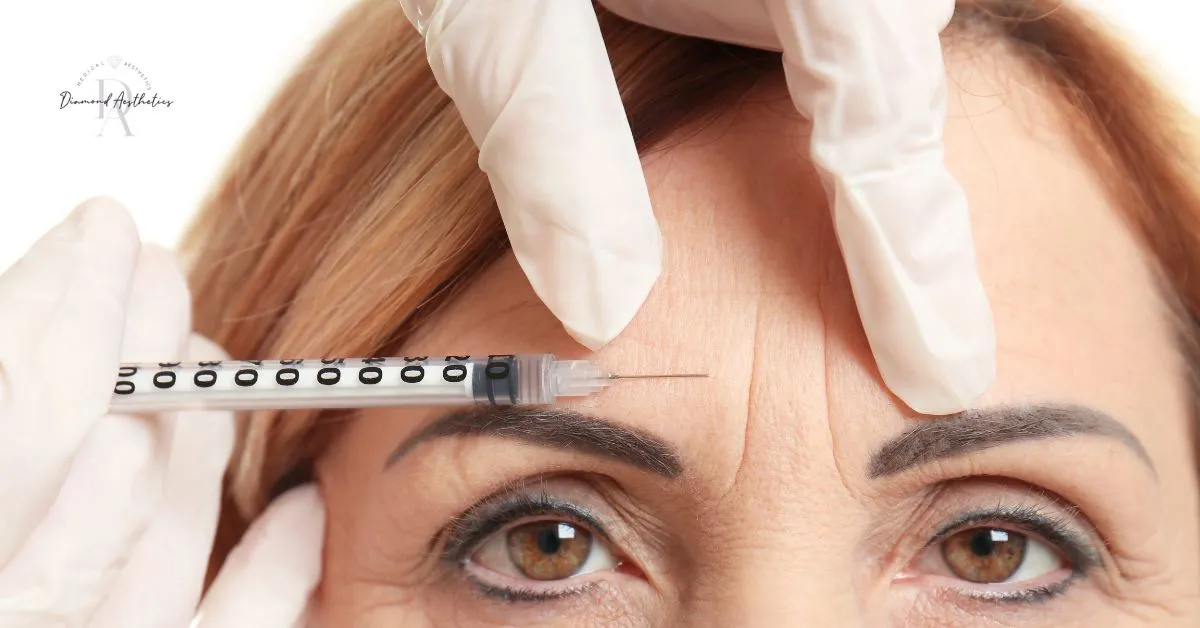
- Injection. A few tiny injections go into each muscle. Most appointments take 10 to 20 minutes.
- After. You may see small bumps or redness for up to an hour. Most people go straight back to work.
Aftercare for the first day: stay upright for about 4 hours, don’t rub or massage the area, and skip hard exercise, saunas and facials until the next day. Your injector may give you more specific instructions.
How Long Does Botox Last?
For most people, cosmetic Botox lasts about 3 to 4 months. Some people get a little longer, especially after several treatments. It may wear off faster in very active muscles, in people who exercise hard, or with lower doses. Lip flips usually last only 2 to 3 months.
When it wears off, the muscle works normally again and lines slowly come back. They do not come back worse than before. Many clients book every 3 to 4 months to keep results steady.
Are Botox Injections Safe?
Yes, for most healthy adults. Health Canada approved Botox Cosmetic for frown lines in 2001, and the US FDA followed in 2002. The doses used for cosmetic lines are very small. Safety depends a lot on who injects you, so choose a licensed, experienced medical injector who uses genuine, Health Canada-approved product. For a neutral overview, see MedlinePlus on Botox and its uses.
Common side effects
- Small bumps, redness or tenderness at the injection points (gone within hours)
- Bruising at an injection point
- Headache for a day or two
- A heavy feeling in the forehead while the muscles adjust
- A drooping eyelid or eyebrow, or an uneven result. This is uncommon and temporary, usually fading over a few weeks
For forehead-specific side effects and how to avoid them, see the side effects of Botox on the forehead.
Get medical help right away if you have trouble swallowing, speaking or breathing, new muscle weakness, or blurred or double vision in the days or weeks after Botox. These are very rare signs that the toxin has spread beyond the treated area. Call 911 or go to the nearest emergency department.
Who should not get Botox?
- People who are pregnant or breastfeeding
- People with an infection or skin problem at the injection site
- People with a nerve-muscle condition such as myasthenia gravis or Lambert-Eaton syndrome
- Anyone allergic to any ingredient (including cow’s milk protein for Dysport)
Always tell your injector about your medicines, including blood thinners and some antibiotics, as these can affect bruising or how Botox works.
Botox and Dysport at Diamond Aesthetics, Brampton
At Diamond Aesthetics, Botox and Dysport treatments are done by our licensed medical injectors. Every first visit starts with a consultation. We plan the dose around how your face moves so you keep natural expressions, and we offer a review at 2 weeks. See Botox in Brampton for areas and typical units, or check our Botox prices.
Book your Botox consultation in Brampton.
Key Takeaways
- Botox is a purified botulinum toxin type A that relaxes the muscle it is injected into.
- It softens movement lines like forehead lines, frown lines and crow’s feet. It does not add volume.
- It is also used for medical problems such as chronic migraine, heavy sweating and muscle spasms.
- Results start in 3 to 7 days, peak at 2 weeks and usually last 3 to 4 months.
- Side effects are usually mild and short. Choose a licensed, experienced injector.
FAQs About Botox Injections
Botox is used to soften movement lines such as forehead lines, frown lines and crow’s feet. It is also used medically for chronic migraine, excessive sweating, jaw tension, eyelid spasms, neck spasms and overactive bladder.
A Botox vial contains onabotulinumtoxinA (the active medicine), a small amount of human albumin and sodium chloride. It is mixed with sterile saline just before it is injected.
Most people notice the first change in 3 to 7 days. The full result shows at about 10 to 14 days, which is the best time for a review or touch-up.
Cosmetic Botox usually lasts about 3 to 4 months. It can last a little longer after repeat treatments and may wear off sooner in very active muscles or after a lip flip.
Most people feel a quick pinch with each injection. The needle is very fine and the treatment takes 10 to 20 minutes, so numbing cream is rarely needed.
Yes. There is no real downtime. You may have small bumps for up to an hour. Stay upright for about 4 hours and avoid hard exercise until the next day.
Botox relaxes muscles to soften lines caused by movement. Fillers are a gel that adds volume to areas such as lips, cheeks or deep folds. Many people use both for different areas.
There is no set age. Some people start in their late 20s or 30s when lines begin to stay at rest. A consultation can tell you whether you need it yet.
People who are pregnant or breastfeeding, have an infection at the injection site, have a nerve-muscle disorder such as myasthenia gravis, or are allergic to any ingredient should not have Botox.




[…] to call your injector. Filler adds volume; if you want to soften movement lines instead, read what Botox injections are and how they work. For an overview of non-surgical options, see the benefits of medical […]