
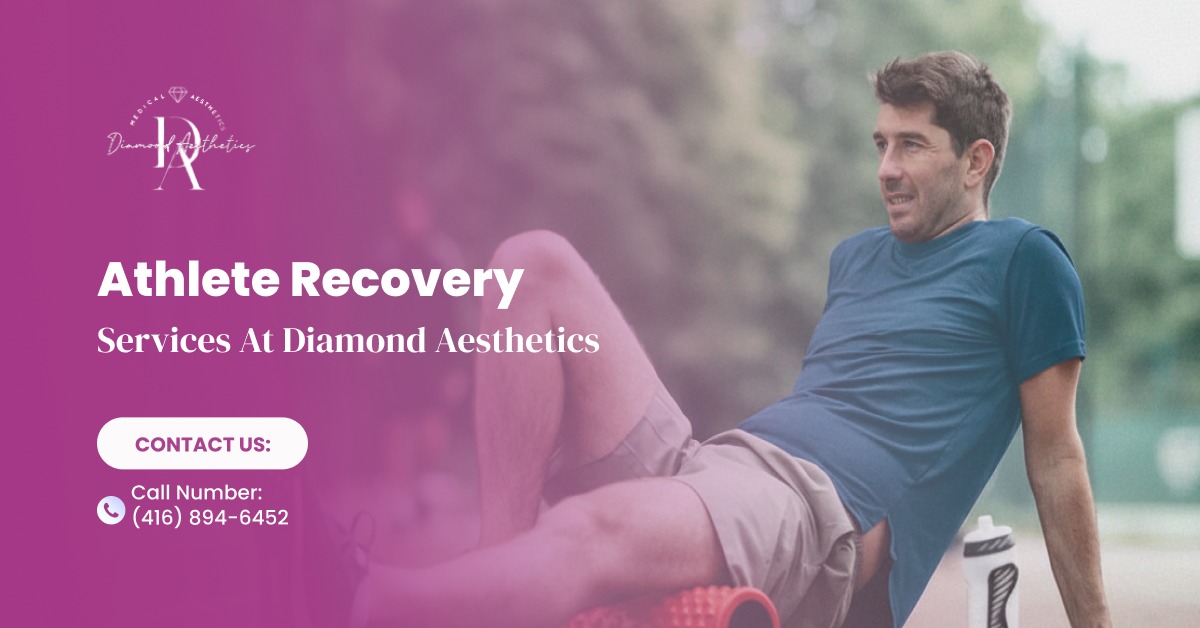

Why Athlete Recovery Is Essential for Performance
Whether you’re a seasoned athlete, a casual runner, or just enjoy hitting the gym, recovery is what truly separates top performance from simply getting by. Training puts a lot of stress on your body muscles get worn down, energy stores are depleted, and your nervous system is taxed. But actual improvement happens when you allow your body to recover. Recovery repairs muscles, restores energy, and helps you get better. If you skip recovery, you’ll feel it your performance will suffer, and your risk of injury will increase. Research even shows that inadequate recovery can reduce your performance by 30% and make injuries much more likely. To keep progressing and reach your best, make sure to follow effective recovery routines. That’s where real progress is made.
Key takeaway: Effective athlete recovery combines rest, sleep, nutrition, hydration, and advanced techniques like massage, compression, and cold therapy. Prioritizing these strategies keeps athletes consistent, strong, and injury-free.
Understanding Recovery: How Your Body Rebuilds
Athlete recovery involves repairing tissue, restoring energy stores, and adapting to training stress. Without proper recovery, athletes risk overtraining, burnout, and injury.
Key Recovery Processes:
- Protein synthesis: Repairs and builds muscle tissue
- Glycogen replenishment: Restores energy for upcoming workouts
- Inflammation control: Reduces soreness and swelling
- Nervous system restoration: Improves coordination and reaction time
- Hormonal balance: Optimizes growth hormone, testosterone, and cortisol
Research shows that athletes following structured recovery protocols improve performance markers by 15–20% compared to those who neglect recovery.
Active vs. Passive Recovery
Active recovery involves low-intensity movement to enhance blood flow and nutrient delivery without adding stress.
Top Active Recovery Techniques:
- Light swimming or water jogging (50–60% max heart rate)
- Easy cycling (20–30 minutes)
- Gentle yoga or dynamic stretching
- Walking or slow jogging
- Foam rolling/self-myofascial release
Study Highlight: European Journal of Applied Physiology found that 20 minutes of active recovery at 40% VO₂ max clears lactate 23% faster than remaining sedentary.
Passive Recovery
Passive recovery is complete rest for the muscle and nervous system restoration.
Passive Recovery Methods:
- Full rest days (1–2 per week)
- Quality sleep (7–9 hours nightly)
- Massage therapy or bodywork
- Compression garments
Cold water immersion or contrast therapy
Sleep: The Cornerstone of Athlete Recovery
Sleep isn’t just downtime, it’s one of the most powerful tools athletes have for bouncing back. Good sleep repairs your muscles, balances your hormones, sharpens your mind, and gives your nervous system a break. When you get it right, the results show up in your performance. You run faster, react quicker, and nail your accuracy. Plus, you just feel better. Your mood steadies out, and you lower your chances of getting hurt because your body recovers and controls movement better.
Curious how sleep really affects your game? Check out these science-backed sleep tips for athletes.
How to Sleep Better:
- Stick to regular sleep and wake times, even on weekends.
- Keep your room dark and cool, shoot for 65 to 68 degrees.
- Power down screens and cut out blue light an hour or so before bed.
- If you need it, try 400–500mg of magnesium before sleep.
- Keep caffeine to mornings and early afternoons, and skip the alcohol before bed.
Nutrition Strategies for Optimal Athlete Recovery
Post-workout nutrition within 30–90 minutes is essential for muscle repair and energy restoration.
Recovery Nutrition Blueprint:
- Protein: 20–40g of high-quality protein
- Carbohydrates: 0.5–0.7g per pound of body weight
- Carb-to-protein ratio: 3:1–4:1 for endurance athletes
Recovery-Boosting Nutrients:
- Omega-3s: 2–3g/day reduces inflammation and soreness
- Tart cherry juice: Reduces muscle damage markers up to 47%
- Curcumin: 400–600mg with black pepper for anti-inflammatory benefits
- BCAAs: 5–10g pre/during training to prevent muscle breakdown
Vitamin D: Supports immune function and muscle recovery
Hydration: A Vital Recovery Component
Even 2% dehydration can reduce performance by 10–20%. Hydration supports nutrient transport, temperature regulation, and waste removal.
Rehydration Tips:
- Drink 150% of fluid lost within 2–4 hours post-exercise
- Add electrolytes if fluid loss exceeds 2% body weight
- Key electrolytes: sodium (500–700mg/hour), potassium, magnesium
Innovative Athlete Recovery Tool: IV/IM Wellness Therapy
For athletes seeking faster recovery, improved hydration, and reduced post-workout soreness, IV/IM Wellness Therapy from Diamond Aesthetics offers a science-backed solution.
Key Benefits for Athlete Recovery:
- Speeds muscle repair and reduces soreness
- Restores hydration and balances electrolytes quickly
- Supports faster recovery between intense training sessions
Ideal Candidates:
- Professional athletes
- Fitness enthusiasts after challenging workouts
- Anyone needing accelerated post-workout recovery
Contraindications: Severe renal impairment, heart failure, pregnancy without clearance
Price: $199/session
CTA: Book Your IV/IM Wellness Therapy Session Now
Take Your Recovery to the Next Level with Diamondaesthetics
For serious athletes, IV/IM Wellness Therapy at Diamondaesthetics takes recovery to a professional level. This therapy delivers fluids, electrolytes, and nutrients directly into your body, accelerating muscle recovery, reducing soreness, and restoring hydration quickly.
Integrating this service with sleep, nutrition, hydration, and active recovery ensures faster adaptation, less fatigue, and peak performance for your next training session or competition.
Mental Recovery for Athletes
Mental recovery matters just as much as physical recovery. When you’re stressed out, tired, or just not feeling it, your performance takes a hit.
Effective Mental Recovery Practices:
- Spend 10 to 20 minutes a day on meditation or mindfulness.
- Try box breathing to relax.
- Keep a journal about your training, recovery, and mood.
- Don’t forget to connect with friends or family—having people to talk to goes a long way.
Creating Your Personalized Recovery Plan
A recovery plan should be tailored to your training intensity, sport, and individual needs.

Sample Weekly Recovery Schedule:
| Day | Focus | Recovery Activities |
| Monday | Hard Training | Post-workout nutrition, foam rolling, 8–9 hrs sleep |
| Tuesday | Active Recovery | 30-min swim/cycle, mobility work, massage, optional IV/IM Wellness Therapy |
| Wednesday | Moderate Training | Protein & carbs, cold water immersion, hydration |
| Thursday | Active Recovery | Yoga, meditation, early bedtime |
| Friday | Hard Training | Pre-workout BCAAs, post-workout nutrition, compression therapy |
| Saturday | Peak Training | Hydration & fueling, contrast water therapy, sleep |
| Sunday | Complete Rest | Light walking, nutrition focus, mental recovery |
Metrics to Track Recovery:
- Resting heart rate
- Heart rate variability (HRV)
- Sleep quality
- Perceived soreness
- Mood and motivation
- Training performance
Evidence-Based Recovery Modalities
| Method | Effectiveness | Best For |
| Cold Water Immersion | ★★★★☆ | Acute soreness & inflammation |
| Compression Therapy | ★★★★☆ | Leg fatigue, endurance athletes |
| Massage & Manual Therapy | ★★★★☆ | Muscle tension, range of motion |
| Foam Rolling | ★★★☆☆ | Daily warm-up/cool-down |
| Contrast Water Therapy | ★★★☆☆ | Between sessions/competition |
Frequently Asked Questions
What is athletic recovery?
Repairing muscles, restoring energy, and reducing soreness through rest, nutrition, hydration, and light activity.
What is the best recovery for athletes?
Sleep, proper nutrition, hydration, active recovery, and advanced therapies like IV/IM Wellness Therapy at Diamondaesthetics.
How do athletes recover so quickly?
Structured recovery plans with sleep, nutrition, hydration, active recovery, and innovative tools accelerate recovery.
Why is recovery important for athletes?
Prevents injury, improves performance, ensures consistent training, and supports long-term adaptation.
What are the 4 R’s of recovery?
Rest, Refuel, Rehydrate, Repair – the key steps to efficient recovery.
Athlete recovery is critical for anyone serious about performance. Prioritizing rest, sleep, nutrition, hydration, active recovery, and advanced techniques ensures faster muscle repair, reduced soreness, and readiness for future training sessions.
Take your recovery to the next level with Diamondaesthetics. Their IV/IM Wellness Therapy accelerates athlete recovery, restores hydration, and helps athletes and fitness enthusiasts maintain peak performance.
Invest in your recovery today. Book your session here.