
“You’ve spent hundreds on high-end probiotics. You’ve sacrificed gluten, dairy, and joy. You’ve sipped the kombucha. So why are you still unbuttoning your jeans by 3:00 PM just to breathe? Why is the brain fog still making your 410 commute feel like a dream you can’t wake up from?”
Quick Summary: How to Fix Your Gut Health. To repair a damaged gut, you must move beyond temporary detoxification and focus on structural repair.
- Identify: Watch for the 10 signs of an unhealthy gut, including gas, bloating, acid reflux, and brain fog.
- Eliminate: Remove the 7 worst foods for gut health (sugars, seed oils, and artificial sweeteners).
- Repair: Use a 7-day gut reset or clinical Gut-Repair IV therapy to fix leaky gut syndrome and improve nutrient absorption.
- Address: Treat hidden issues like SIBO and Candida that standard probiotics can’t fix.
Why You’re Still Bloated: The Truth Behind Probiotics and Elimination Diets
If you’re searching for how to fix gut health, you’ve likely realized that “eating clean” isn’t enough when your digestive foundation is cracked. In Brampton’s high-stress environment, your gut is under constant siege. This guide moves past the generic advice to give you the clinical reality of SIBO, Hormonal Health, and the exact roadmap to repairing your intestinal barrier.
What Does “Fixing Your Gut” Actually Mean?
The Version That Makes Sense
Picture a window screen. When it’s intact, fresh air flows through while bugs stay out. When it develops tears, insects get inside, no matter how clean your house is.
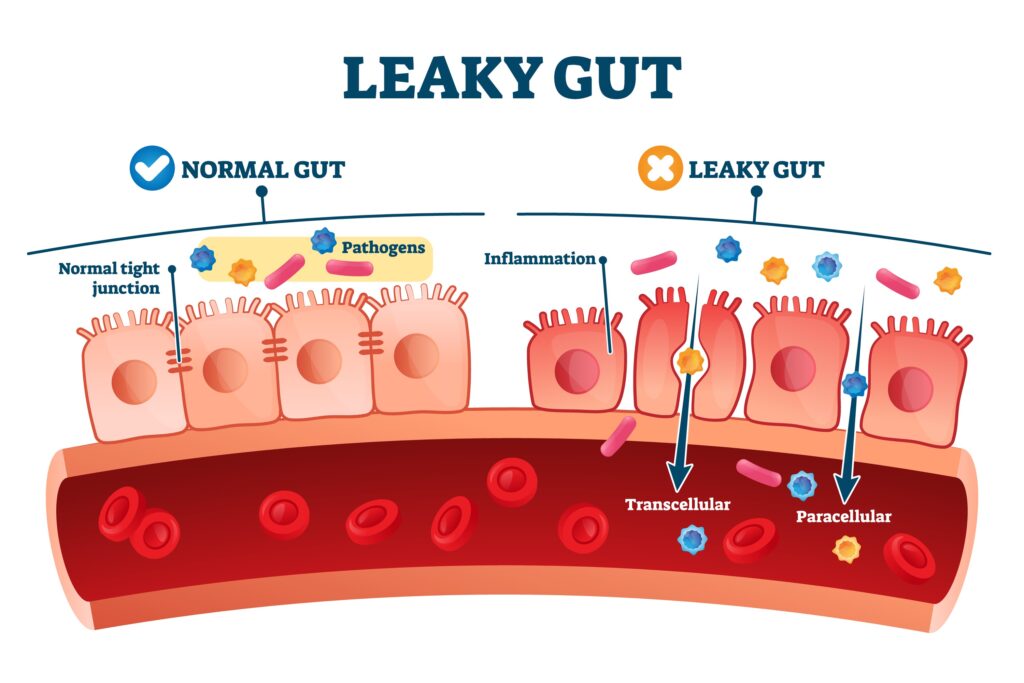
Your gut lining works the same way. It’s designed to let nutrients pass into your bloodstream while keeping toxins, bacteria, and undigested food particles out. When this barrier gets damaged—from stress, processed foods, medications, or chronic inflammation—things that should stay in your digestive tract leak into your blood.
Your immune system treats these leaked particles as invaders, triggering inflammation throughout your body. This shows up as bloating, skin issues, brain fog, joint pain, and exhaustion.
Fixing your gut means repairing that barrier so your body can finally achieve proper nutrient absorption and stop attacking itself.
The Clinical Explanation
Your intestinal lining is one cell layer thick, held together by proteins called tight junctions. When these junctions weaken—a condition called leaky gut syndrome or increased intestinal permeability—lipopolysaccharides (bacterial fragments) and partially digested food enter your bloodstream. This triggers systemic inflammation and prevents healthy nutrient absorption, creating a cycle where your digestive system can’t heal because it can’t absorb the nutrients needed for repair. This dysfunction often underlies conditions like IBS, SIBO, and various gastrointestinal conditions.
SIBO vs. Candida—The Hidden Disruptors
Over-the-counter probiotics and herbal supplements often worsen bloating by masking underlying gut issues.
- SIBO (Small Intestinal Bacterial Overgrowth): This occurs when bacteria that should be in the large intestine migrate to the small intestine. When you eat, these bacteria ferment food prematurely, causing immediate, painful gas, bloating, and indigestion.
- Candida Overgrowth: This is a fungal imbalance that thrives on sugar. It doesn’t just cause digestive distress; it creates intense sugar cravings and chronic fatigue by releasing toxins that overwhelm your immune system.
Our Gut-Repair IV protocol is specifically designed to address these gastrointestinal conditions by delivering high-dose nutrients that support the body’s ability to clear these overgrowths and heal the underlying tissue.
10 Warning Signs of an Unhealthy Gut: How Many Are You Facing?
Concerned about your gut health? Watch out for these 10 signs of an unhealthy gut. If you experience three or more, seek immediate attention for your digestive health.
1. Bloating and Gas Pain That Won’t Quit
You feel swollen and uncomfortable within 30 minutes of eating, even simple meals. Gas bloating becomes so severe that your jeans feel tight by evening, regardless of what you ate. This often indicates an imbalanced gut flora or candida overgrowth.
2. The Afternoon Crash
Around 2-3 PM, your brain goes foggy. You can’t focus. No amount of coffee helps. This fatigue is often inflammation crossing the blood-brain barrier, a common symptom when your digestive health is compromised.
3. Intense Sugar Cravings
Constantly wanting sweets isn’t about willpower. Harmful bacteria, yeast, and candida literally change your brain chemistry to crave their preferred fuel: sugar. This is one of the clearest signs your gut flora is out of balance.
4. Waking Up Tired
You sleep 7-8 hours but wake exhausted. Your immune system spent the night fighting inflammation instead of repairing tissues—a hallmark of leaky gut syndrome.
5. Skin That Won’t Clear
Adult acne, eczema, rosacea, or dull skin that doesn’t respond to topical treatments. Your skin is eliminating toxins your digestive system should be handling, revealing the gut-skin connection.
6. Mood Swings and Anxiety
Your gut produces 90% of your body’s serotonin. When inflammation disrupts this production, your mental health and hormonal health suffer directly through the gut-brain axis.
7. New Food Sensitivities
Foods you’ve eaten for years suddenly cause problems. Your immune system is now reacting to particles leaking through damaged gut barriers, creating expanding food sensitivities and intolerances.
8. Digestive Distress: Constipation, Diarrhea, or Acid Reflux
Whether you’re dealing with chronic constipation, frequent diarrhea, or persistent acid reflux and heartburn, these symptoms signal that your digestive system isn’t functioning optimally.
9. Joint Pain With No Clear Cause
Inflammation from your gut travels through your bloodstream, settling in joints and causing unexplained aches—a common manifestation of inflammatory bowel disease or systemic inflammation.
10. Existing Autoimmune or Inflammatory Conditions
If you have conditions like celiac disease, Crohn’s disease, irritable bowel syndrome (IBS), or other inflammatory bowel disease, gut barrier dysfunction often makes symptoms worse and impacts both metabolic health and immune system function.
The 7 Worst Foods for Gut Health You Should Stop Eating Today
To naturally heal your gut and improve gut health, eliminate these foods that actively damage your digestive system:
Artificial Sweeteners (Aspartame, Sucralose, Saccharin)
Studies show these disrupt your gut flora within days, killing beneficial bacteria and promoting harmful strains that contribute to bloating and indigestion.
Refined Sugars and High-Fructose Corn Syrup
The primary fuel source for candida overgrowth and harmful bacteria. They directly increase intestinal permeability and worsen leaky gut syndrome.
Processed Seed Oils (Canola, Soybean, Corn Oil)
These highly inflammatory oils damage the gut lining at the cellular level, interfering with nutrient absorption. Check ingredient lists—they’re in almost everything packaged.
Alcohol
Directly erodes the protective mucus layer of your intestines and kills beneficial gut flora. Even moderate drinking impacts digestive health and can trigger acid reflux.
Ultra-Processed Foods
Processed foods harm gut health, weakening intestinal barriers and causing digestive issues like bloating and constipation.
Excessive Caffeine
While moderate coffee can be fine, multiple cups daily overstimulate your digestive tract and increase cortisol, which damages gut lining and can worsen diarrhea or acid reflux.
Gluten (For Sensitive Individuals)
Even if you don’t have celiac disease, gluten can trigger zonulin release, which opens tight junctions in susceptible people, contributing to food sensitivities and leaky gut.
How to Improve Gut Health Naturally: The 7-Day Gut Reset Protocol
The 7-Day Gut Reset: A Diet to Heal Your Gut (Start Here)
If your symptoms are relatively new or mild, try this foundation-building approach first. This is how to improve digestion naturally at home using elimination diets to identify trigger foods while giving your digestive system a break:
H3: Days 1-2: The Strategic Elimination Phase
Remove all seven gut-damaging foods listed above. Yes, all of them. Partial elimination won’t give you clear answers about your food sensitivities.
Days 3-5: Rebuilding with Gut-Healing Foods
Focus on foods good for gut health and foods that heal the gut:
- Bone broth (homemade or from quality sources like Sanagan’s) – the ultimate food for gut health
- Wild-caught fish rich in omega-3s for reducing inflammation
- Fermented foods (sauerkraut, kimchi from T&T, plain yogurt) to rebuild gut flora – these are foods good for gut health that increase good bacteria in the gut naturally
- Cooked vegetables (easier to digest than raw)
- Ginger and turmeric for inflammation and indigestion relief
- High-quality herbal supplements like slippery elm or marshmallow root
Days 6-7:Essential Supplements to Accelerate Your Recovery
Track how you feel. Less bloating? Reduced gas pain? Better energy? If you see improvement in gut health and bloating, you’re on the right track—continue with structured meal plans for 30 days minimum. This is what to eat to improve gut health long-term.
If you see minimal change after a full week of strict adherence, your gut damage likely requires more aggressive support beyond basic nutrition and detoxification.
Best Supplements to Improve Gut Health
When learning how to heal your gut, certain supplements to improve gut health can accelerate results:
Essential Supplements:
- L-Glutamine Powder: 5-10g daily supports intestinal lining repair
- Multi-Strain Probiotics: At least 50 billion CFU to increase good bacteria in gut naturally
- Digestive Enzymes: Help break down food when your gut is compromised
- Omega-3 Fish Oil: Reduces inflammation throughout the digestive system
- Zinc Carnosine: Clinically shown to strengthen gut barrier
- Vitamin D3: Critical for immune function and gut integrity
These supplements work best when combined with the right diet to heal your gut and foods that heal the gut.
When Diet Isn’t Enough: Addressing Malabsorption and Severe Damage
Here’s the frustrating truth: if your gut lining is severely damaged from conditions like SIBO, irritable bowel syndrome, or inflammatory bowel disease, it struggles to absorb nutrients from even the healthiest foods. You’re trying to fix a broken digestive system using that same broken system.
This is where clinical intervention changes the game.
Clinical Gut Repair: How IV Therapy Actually Works
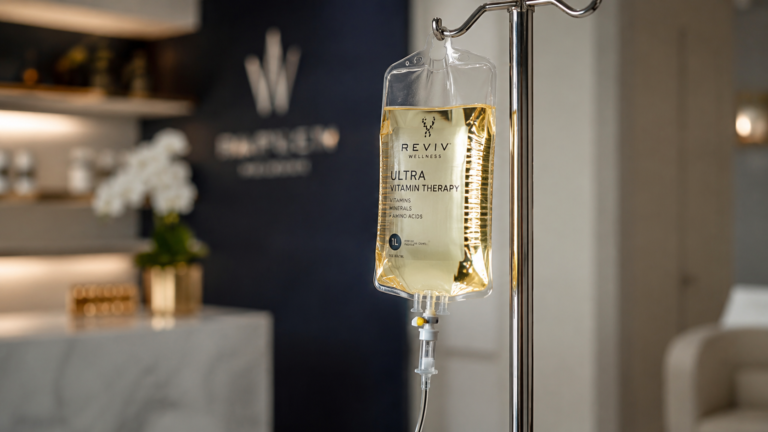
At Diamond Aesthetics, we offer targeted IV nutrient therapy designed to bypass your compromised digestive system entirely, especially beneficial for those with malabsorption issues.
What Happens During Treatment
The Assessment (15 minutes):
We review your health history, current symptoms (IBS, constipation, diarrhea, acid reflux), medications, and goals. We check blood pressure and ensure you’re a safe candidate.
The Infusion (30-45 minutes):
A customized blend of L-glutamine, zinc carnosine, B-complex vitamins, and antioxidants flows directly into your bloodstream through an IV line.
Why This Route Matters:
When your gut has leaky gut syndrome or severe inflammation, oral probiotics and herbal supplements pass through without adequate absorption, you’re literally flushing money down the toilet. IV delivery achieves complete bioavailability. Every molecule reaches your cells.
The Science Behind the Nutrients
L-Glutamine: The primary fuel source for intestinal cells. At therapeutic IV doses, it provides the building blocks your gut cells need to strengthen tight junctions, regenerate tissue, and heal leaky gut.
Zinc Carnosine: Reinforces the protective mucus layer and has been shown in studies to support barrier function, crucial for those with inflammatory bowel disease.
B-Complex Vitamins: Support cellular energy production necessary for tissue repair, reduce inflammation, and support both metabolic health and hormonal health.
Antioxidants: Combat the oxidative stress that keeps your gut in chronic inflammation, supporting your immune system’s ability to heal.
The Honest Timeline
First 48 Hours:
Most people notice significantly less bloating, reduced gas pain, and more stable energy. You’re experiencing reduced inflammation, not structural repair yet.
Week 2-3:
Gut cells regenerate every 3-5 days. By week three, with consistent support, you’re building genuinely stronger barriers and improving nutrient absorption.
Weeks 4-8:
This is where structural change happens. Your digestive system can now absorb nutrients from food properly, creating a positive cycle of healing. Many notice improvement in food sensitivities, reduced indigestion, and normalized bowel movements.
The Truth:
One session won’t fix chronic gut dysfunction or long-standing irritable bowel syndrome. Anyone promising instant permanent results is lying. Most people need 4-6 sessions combined with dietary changes to see lasting improvement in conditions like SIBO, candida overgrowth, or leaky gut.
How This Compares to Other Approaches
| Approach | How It Works | Best For | Realistic Timeline | Investment |
| Gut-Repair IV | Physical removal of waste from lower bowel through a colon cleanse | Delivers concentrated nutrients directly to cells, bypassing the damaged digestive system | 2-6 weeks for noticeable change | $219/session, typically 4-6 sessions |
| 7-Day Elimination Diet | Eliminates triggers, reduces inflammation through nutrition | Mild-moderate symptoms, identifying food sensitivities | 1 week to see if effective, 4-12 weeks for full results | Minimal cost |
| Probiotics & Herbal Supplements | Introduces beneficial gut flora, supports digestive health | Maintenance, mild imbalance, post-antibiotic recovery, general gut health | 6-12 weeks | $30-80/month |
| Colonics/Colon Hydrotherapy | Physical removal of waste from the lower bowel through a colon cleanse | Severe constipation, immediate relief needed, detoxification | Temporary relief only | $80-150/session |
| Functional Medicine Testing | Identifies specific imbalances (SIBO, candida, parasites, dysbiosis) | When standard approaches fail, persistent gastrointestinal conditions | Varies by findings | $400-800 for testing |
The smartest approach usually combines methods: elimination diets and proper nutrition as a foundation + clinical support for faster repair of leaky gut + ongoing probiotics for maintenance of healthy gut flora.
The Brampton Factor: Commute Stress, Vitamin D, and Your Microbiome
The Commute Factor
If you’re spending 90+ minutes daily on the 410 or 407, you’re in chronic sympathetic nervous system activation (fight-or-flight). Blood literally diverts away from your digestive organs during stress.
Your gut can’t repair itself when it’s constantly in survival mode. This chronic stress worsens conditions like IBS, acid reflux, and constipation. You need either stress management strategies that work in a car or clinical support to accelerate healing despite ongoing stress.
The Vitamin D Gap and Immune System Health
Ontario winters mean 5-6 months of minimal sun exposure. Vitamin D is crucial for gut barrier integrity, immune system regulation, and hormonal health. Most Brampton residents are deficient in November through March, weakening digestive health precisely when cold-weather comfort foods (heavier, richer meals) increase digestive burden.
The Multicultural Food Advantage
Brampton’s diverse food culture gives you access to naturally gut-supporting foods: fermented dosas and idlis, kimchi, pickled vegetables, and bone broth-based pho. Use this strategically instead of relying on expensive “superfoods” marketed by wellness influencers. These traditional foods support healthy gut flora and proper nutrient absorption.
Who Should Consider Clinical Gut Repair
You’re a Strong Candidate If:
- You’ve genuinely tried elimination diets for 4+ weeks with minimal improvement in bloating, gas pain, or fatigue
- You have confirmed conditions like irritable bowel syndrome (IBS), SIBO, inflammatory bowel disease, Crohn’s disease, or celiac disease
- You’re recovering from antibiotics, food poisoning, or an illness that disrupted your gut flora
- You have malabsorption issues despite eating well (nutrient deficiencies on bloodwork)
- Your job/lifestyle makes stress management nearly impossible right now, worsening digestive health
- You have chronic constipation or diarrhea that hasn’t responded to conventional treatments
- You’re dealing with persistent candida overgrowth or expanding food sensitivities
Who Should Skip IV Therapy
- You haven’t tried basic dietary changes or elimination diets yet (start there)
- You have active kidney or liver disease
- You have uncontrolled high blood pressure or heart failure
- You’re pregnant or nursing without physician approval
- Your symptoms are mild and manageable with lifestyle, nutrition, and probiotics alone
Safety First: IV therapy is a medical procedure. We prioritize your well-being over making a sale.
Strategic Comparison—Choosing Your Solution
Understanding the difference between common “detox” methods and actual tissue repair is crucial for your recovery. Use this table to decide which path is right for your symptoms:
| Condition / Method | Gut-Repair IV Therapy | Colonics / Colon Cleanse | Diet & Probiotics |
| Primary Focus | Leaky Gut, SIBO, and cellular tissue repair. | Physical waste removal and Detoxification. | Daily maintenance and microbiome diversity. |
| Effectiveness | 100% Bioavailability; bypasses damaged gut. | Cleanses the lower colon only via Colon hydrotherapy. | Dependent on your existing absorption levels. |
| Best For | IBS, Fatigue, Brain Fog, and Malabsorption. | Acute Constipation and immediate “flush” feeling. | Long-term prevention and mild symptoms. |
| Mechanism | Clinical nutrient infusion (L-Glutamine/Zinc). | Warm water flush of the large intestine. | Oral intake of fiber and beneficial bacteria. |
Your Gut Health Questions Answered
What should I eat to improve gut health?
To improve gut health, eat: Bone broth, fermented foods (yogurt, kefir, sauerkraut), cooked vegetables, fatty fish, prebiotic foods (garlic, onion), berries, olive oil, ginger, and turmeric.
Avoid: Sugar, artificial sweeteners, processed foods, seed oils, excess alcohol.
How can I increase good bacteria in gut naturally?
Eat fermented foods, prebiotic fiber, and vegetables; sleep well, reduce stress, and avoid sugar and processed foods.
How do I improve digestion naturally at home?
Eat simple whole foods, chew slowly, stay hydrated, manage stress, walk after meals, and avoid processed foods.
Can gut issues cause brain fog and fatigue?
Yes—gut inflammation affects energy and brain function.
Your Next Step: How to Heal Your Gut Starting Today
Most gut issues improve with foundational changes: eliminating the worst foods for gut health through structured elimination diets, eating foods good for gut health, managing stress, sleeping 7-9 hours, supporting your gut flora with quality probiotics and supplements to improve gut health, and giving your digestive system time to heal.
Here’s exactly how to improve gut health naturally:
If you’ve genuinely tried these fundamentals for 30+ days without improvement in your bloating, gas pain, constipation, diarrhea, or fatigue, clinical support might accelerate your repair.
Start here:
- Try a 7-day gut reset using the elimination diet guidelines above. This is the foundation of how to improve digestion naturally at home
- Track your symptoms honestly (bloating, gas, bowel movements, energy, food sensitivities)
- Add quality supplements to improve gut health, like probiotics (to increase good bacteria in the gut naturally), L-glutamine, and digestive enzymes
- Focus on what to eat to improve gut health: bone broth, fermented foods, wild fish, and cooked vegetables—these foods that heal the gut should become your staples
- Eliminate the 7 worst foods for gut health for 30 days minimum
- If you’re still struggling after 30 days with persistent IBS, acid reflux, or leaky gut symptoms despite following a proper diet to heal your gut, consider whether IV therapy fits your situation and budget
- Expect a 6-8 week commitment for structural healing using this comprehensive approach to improve gut health, not a miracle cure
At Diamond Aesthetics in Brampton, we don’t just sell treatments, we help you figure out what you actually need for optimal digestive health, whether that’s clinical support, customized meal plans focused on food good for gut health, or better daily habits to support a healthy gut and improve gut health naturally.
Stop guessing about your gastrointestinal conditions. Start healing with a comprehensive plan that addresses the root cause, whether it’s leaky gut syndrome, SIBO, candida, food sensitivities, or inflammatory bowel disease using proven strategies for how to heal your gut.
Ready to assess your next step? Book a consultation to discuss whether gut-repair therapy is right for your specific digestive health situation.